
How to embrace money minimalism.
If you’ve recently been folding, sorting and questioning the things that you own, you ...
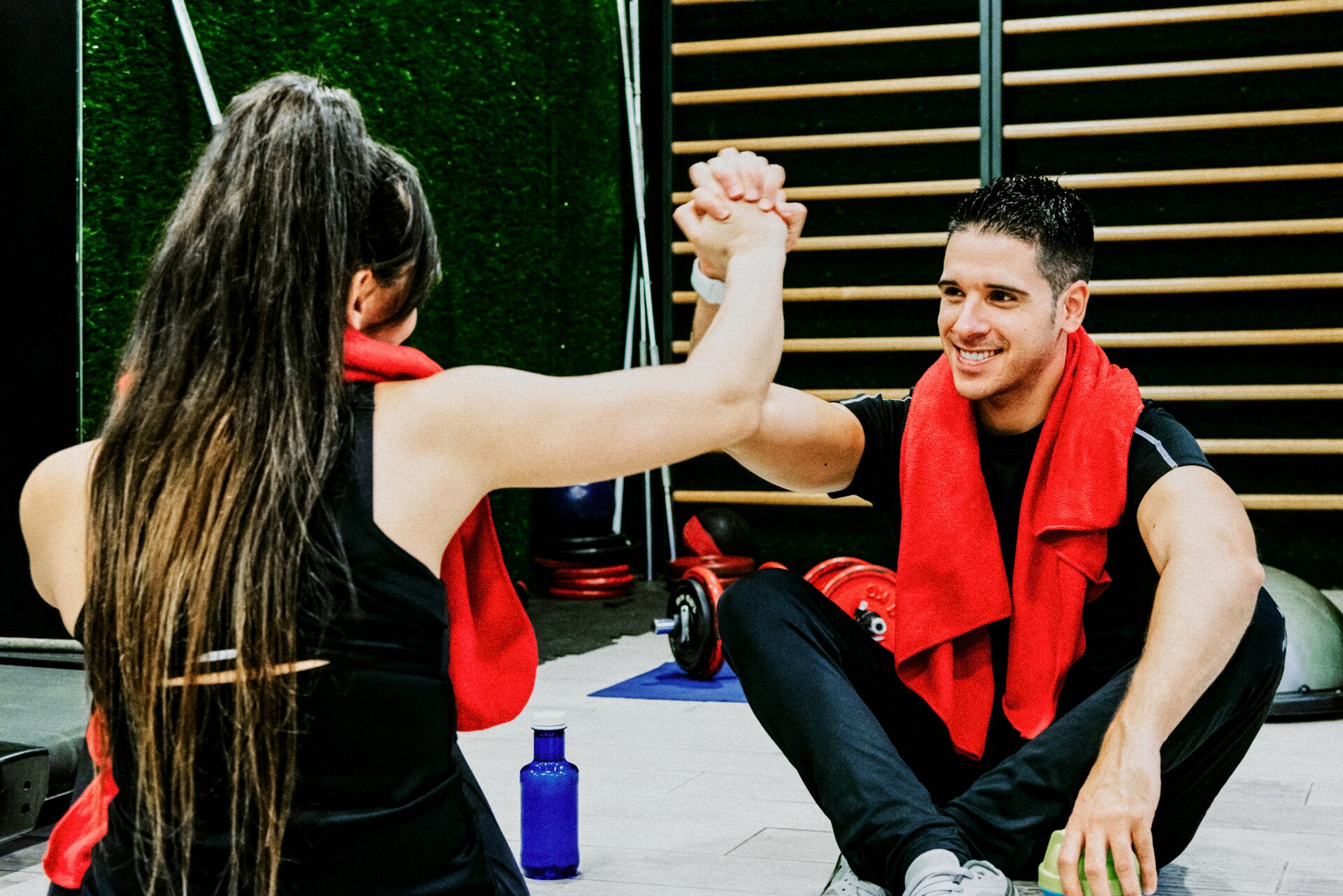
New research commissioned by ING Australia reveals nearly half (46%) of Aussies admitting they’ve already fallen for a scam and/or fraud – and 49% believing they will in the future! – it’s nice to know there are some trusted sources you can turn to help spot a scam before they find you.
Sure, you mightn’t think of asking a Millennial for music or fashion advice. But when it comes to scams advice, they’re the most relied-on generation in Australia.
In fact, 38% of Millennials identify as a ‘Scambassador’ – someone family and friends turn to for scams advice. While at the same time, 7 in 10 of Aussies say they turn to Scambassadors because they trust them and know they won’t judge them for their lack of scams savviness.
Millennials are people born between approximately 1980 and 1994. So today they’d be around 30 to 45-years-old. Also called Gen Y, Millennials get their name because they were the first generation to reach adulthood in the new millennium.
Even better, Millennials are happy to help.
Thanks to their confidence, awareness and tech smarts, 64% of Millennial Scambassadors feel a responsibility to protect their family and friends from scams and 94% feel confident in their ability to help loved ones identify and avoid scams.
Despite the help of the nation’s Scambassadors, however, 33% of Aussies say they still don’t know where to go for trusted information and education on scams.
That’s why ING has developed the ING Pocket Guide to Scam Prevention.

It encourages all Aussies to stop, reflect and protect yourself from scams by staying up to date with the latest scams and know what to do if you find yourself a victim.
More tips and tools for avoiding scams are also available at ing.com.au/security, Scamwatch and Money Smart.
[1] Based on proportion of Aussies who have said they have someone they would turn to/have turned to for advice on scams
ING does not endorse and is not affiliated with third parties mentioned in this article. ING is not responsible for any services provided by third parties nor does ING accept any liability or responsibility arising in any way from any products or services supplied by the third parties.
The information is current as at publication. Any advice on this website does not take into account your objectives, financial situation or needs and you should consider whether it is appropriate for you. Deposit products, savings products, credit card and home loan products are issued by ING, a business name of ING Bank (Australia) Limited ABN 24 000 893 292, AFSL and Australian Credit Licence 229823.
If you’ve recently been folding, sorting and questioning the things that you own, you ...

Bushfires, earthquakes, cyclones, storms and floods – it feels like we’ve already seen it ...
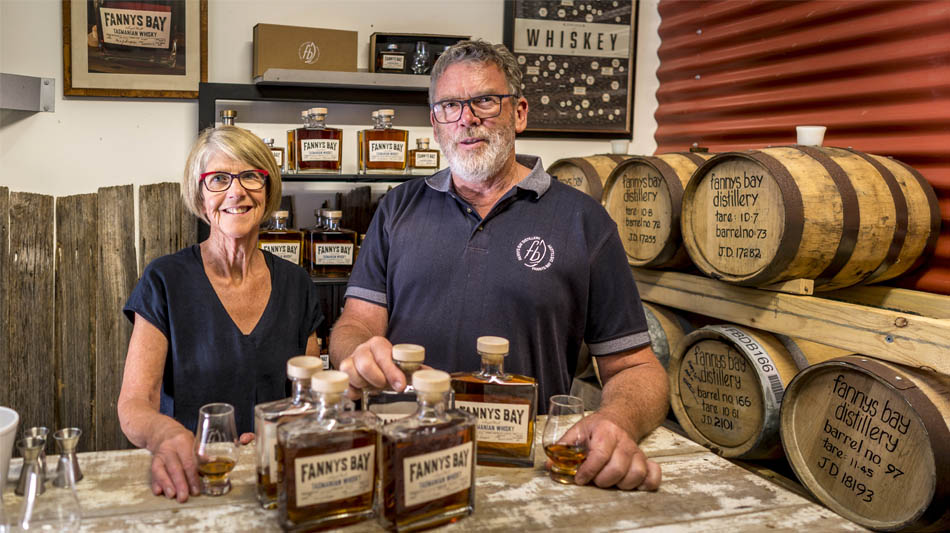
Mathew and Julie Cooper were getting into the swing of retirement life on Tasmania’s ...

When you’ve got a good amount of savings experience under your belt, it might ...

Funny thing, money. On the one hand it can get us excited or give ...

In the cooler months we spend a lot more time getting cosy inside. Why ...